Last updated: August 13, 2026
This is the most rewarding bracket in coffee, and also the most misunderstood. It is the only price range where a small purchase can genuinely produce cafe quality coffee, because the methods that live here are simple enough that nothing has been cost engineered out of them. A well made pour over or a French press brews the same way at any price.
It is also the range where the marketing is at its most optimistic, particularly around anything with the word espresso on the box. This guide sorts the honest options from the wishful ones, explains what each method is actually good at, and shows where your money does the most work once the brewer is chosen.
This article contains affiliate links. If you buy through them, we may earn a commission at no extra cost to you. Learn more.
Quick Answer
What is the best coffee machine in this price range?
- For a household pot in the morning, a programmable drip machine is still the most practical choice.
- For one excellent cup, the AeroPress and a simple pour over set beat every electric machine at this level.
- Skip anything marketed as an espresso maker here. Real espresso needs a pump and pressure that this bracket does not provide.
Five Honest Ways to Spend Under $100
Each method here is genuinely good at something, and genuinely poor at something else. Pick by the situation you are actually in on a Tuesday morning, not the one you imagine on a Sunday.
| Method | Best for | Effort | The catch |
|---|---|---|---|
| Drip machine | Several cups at once, hands off | Very low | Cheap models brew below ideal temperature |
| Pod machine | Speed, consistency, no cleanup | Lowest | Ongoing capsule cost and limited control |
| AeroPress | One strong cup, travel, easy cleanup | Low | Single serving only |
| Pour over | Clarity and flavor detail | Medium | Needs a kettle, a scale and attention |
| Moka pot | Strong, concentrated stovetop coffee | Medium | Not espresso, and easy to scorch |
If you want the deep version of any of these, our pour over coffee maker guide and our drip coffee maker roundup go considerably further than this overview.
Why You Cannot Buy Real Espresso Under $100
Espresso is defined by pressure, produced by a pump pushing hot water through a compacted bed of finely ground coffee. The machines sold in this price range with espresso on the label typically build pressure with steam instead, which produces a strong, sometimes bitter concentrate with a thin layer of foam. It is a legitimate drink, but it behaves differently and it will not satisfy anyone expecting a cafe shot.
The honest options are to brew a concentrated coffee by another route, or to save for a real pump machine. A moka pot delivers the intensity many people are actually after, and our budget espresso machine guide explains where genuine pump machines begin.
Our Top Picks at a Glance
How we chose: we compared this price range on brew quality relative to effort, durability, ease of daily cleaning, ongoing costs, and the themes that recur across long-running owner feedback. Selections lean on published specifications and review patterns rather than any hands-on trial of our own.
These three cover the three realistic households: the one that wants a pot, the one that wants one great cup, and the one that wants to press a button and leave.
☕ Best Overall
A programmable drip machine with a thermal or glass carafe remains the most practical purchase for a household, and brands like Cuisinart and Mr. Coffee cover this shelf thoroughly. Look for a showerhead that wets the bed evenly rather than a single stream.

🥇 Best Single Cup
The AeroPress makes a clean, strong cup in about a minute, survives being thrown in a bag, and rinses out in seconds. Our AeroPress buying guide compares the Original, Go and XL versions.

⚡ Best for Convenience
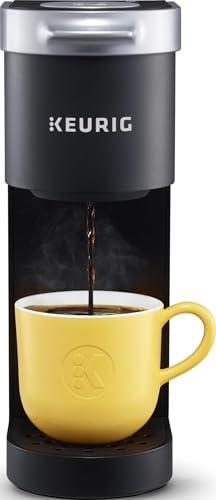
A compact single serve pod machine takes up almost no counter and removes every variable from the morning. See our Keurig guide and Nespresso guide for how the two systems differ.
If You Want Better Coffee Than the Price Suggests
Two manual methods punch far above this bracket, and both are ceiling-free in the sense that improving your technique keeps improving the cup. A pour over dripper with a paper filter produces the cleanest, most detailed coffee available at any price, and it costs almost nothing. A moka pot produces the concentrated, syrupy style that Italian and Cuban home coffee traditions are built on.
Both ask for a kettle you can pour with, and both reward a burr grinder. Neither asks for electricity beyond boiling water, which also makes them the most repair-proof coffee makers you can own.
🌍 Best for Strong Coffee
A classic aluminum or stainless moka pot brews concentrated stovetop coffee that forms the base of a cafecito or a cortado. Our Bialetti Moka Express review covers the reference model and its quirks.

🎯 Best for Flavor Control
A ceramic or glass pour over dripper plus filters gives you the most transparent cup available in this price range, and the whole setup fits in a drawer. Details in our pour over guide.

Where the Rest of Your Money Should Go
Once the brewer is chosen, two purchases improve the cup more than any machine upgrade would. The first is fresh coffee with a roast date on the bag, used within a few weeks. The second is a burr grinder, because pre-ground coffee starts losing aroma within minutes and cannot be matched to your method.
Grind size is the main lever across all of these methods, and it moves in a predictable direction. Coarse settings are commonly recommended for French press and cold brew, medium for drip and pour over, and finer for moka pot and AeroPress. Our grinder guide for French press explains the coarse end, and our manual grinder roundup covers hand grinders that cost less than most electric ones.
Brewing Well Without Spending More
Technique is free. Use water just off the boil rather than boiling, since most brewing guides suggest a range a little below boiling point. Use a ratio you can repeat, and many people start somewhere around one to fifteen or one to seventeen by weight for pour over and drip, adjusting to taste from there.
Rinse paper filters before brewing to remove papery flavors and preheat the vessel. Give French press a proper steep and a gentle plunge, which our French press guide walks through step by step. Small habits like these separate a decent cup from a disappointing one far more reliably than a bigger appliance would.
Cleaning and Longevity
Cheap machines die of neglect, not age. Coffee oils go rancid inside carafes, baskets and reservoirs, and stale residue is the most common cause of coffee that tastes bitter no matter how good the beans are. Wash the removable parts properly, not just a rinse, and let them dry.
Drip machines and pod machines both need descaling, and hard water accelerates the schedule considerably. Our guide to cleaning a coffee maker with vinegar covers the household approach, and our descaling solution roundup covers the commercial products for machines that specify them.
Common Mistakes to Avoid
- Buying a steam powered espresso maker. The label promises one drink and the machine makes another.
- Spending everything on the brewer. Fresh beans and a burr grinder do more for the cup than any machine at this level.
- Leaving coffee on a hot plate. A glass carafe on a warming plate cooks the coffee. A thermal carafe or a smaller batch solves it.
- Ignoring capsule costs. Pod machines are cheap to buy and permanently expensive to feed. Our Keurig deals guide is worth reading first.
- Never cleaning the reservoir. Stale water and biofilm affect flavor long before the machine actually fails.
Where to Go From Here
If your budget stretches further and espresso is the real goal, our under $300 guide covers the cheapest genuine pump machines and their limits, and the budget espresso machine guide explains the category as a whole. If value over years matters more than the sticker, start with best value espresso machines.
If the goal is better coffee rather than espresso specifically, the pour over guide and the cold brew maker roundup are the two most rewarding directions to spend a small budget in.
Frequently Asked Questions
Can you get real espresso in this price range? No. Espresso requires pump driven pressure, and machines at this level generally use steam pressure instead, which produces a different drink.
Is a drip machine or a pour over better? Pour over gives you more control and usually a cleaner cup. A drip machine gives you several cups without standing over it. Most households eventually own both.
Are cheap coffee makers worse because of brew temperature? Often, yes. Inexpensive drip machines can brew below the commonly recommended range, which tends to produce a flat, under extracted cup.
Is the AeroPress worth it? For one cup at a time it is one of the most recommended brewers at any price, largely because it is forgiving, fast and almost indestructible.
Do I need a gooseneck kettle for pour over? It helps considerably with pour control, though you can start with any kettle. Our gooseneck kettle guide covers the options.
Which is cheaper over time, pods or ground coffee? Ground coffee, comfortably. Pod machines cost less up front and more per drink, which reverses the comparison within a year of daily use.
The Bottom Line
The best brewer in this price range depends entirely on how your mornings run: a programmable drip machine for a household pot, an AeroPress for one strong cup, a pod machine for pure speed, and a pour over or moka pot if you want the best coffee this budget can produce. What none of them can do is make real espresso, so treat that word on a cheap box as a warning label. Spend what is left on fresh beans and a burr grinder, and this bracket outperforms its reputation by a wide margin.