Last updated: July 11, 2026
Value in espresso is not the same thing as cheap. The machine that costs the least at checkout is often the one that gets replaced first, produces coffee you stop enjoying, or quietly bills you every morning through capsules. The machines that earn the word value are the ones still making good coffee years later, ideally with a few replaced parts and an upgraded grinder beside them.
This guide gives you a simple framework for judging that, applies it to the machines that consistently pass, and points you to the right price bracket for your situation. It is the article to read before you pick a number to spend, not after.
This article contains affiliate links. If you buy through them, we may earn a commission at no extra cost to you. Learn more.
Quick Answer
Which espresso machine gives you the most for your money?
- The Gaggia Classic is the classic value answer: commercial size group, replaceable parts, and a machine that can be kept running for years.
- The Breville Bambino delivers the most modern capability per dollar, and the De’Longhi Dedica does the same job for less at the entry end.
- Value is decided over years, not at checkout. Count consumables, repairability and the grinder before you compare machines.
The Five Tests of a Good Value Espresso Machine
Run any machine through these five questions and its real cost becomes visible. Most disappointing purchases fail at least two of them.
| Test | What to look for | Why it decides value |
|---|---|---|
| Consumables | Loose coffee rather than proprietary capsules or pods | Per drink cost repeats daily and adds up faster than the machine |
| Repairability | Published parts, common gaskets, an active repair community | A replaceable part turns a dead machine into a working one |
| Upgrade path | Standard portafilter size, swappable baskets, accessory support | Lets you improve the setup without replacing everything |
| Resale | Strong brand demand on the secondhand market | Recovers part of the outlay when your needs change |
| Ceiling | Single wall baskets and a usable steam wand | Determines how long the machine stays interesting |
Notice what is missing from that list: bar ratings, touchscreens and included accessory bundles. They influence the shelf appeal, not the ownership experience.
Why the Cheapest Machine Is Rarely the Best Value
Two hidden costs dominate the bottom of the market. The first is capsules. Pod machines are convenient and genuinely good at what they do, but every drink carries a fixed cost you cannot negotiate, and over a few years of daily use that quietly becomes the largest number in the calculation. Our Nespresso machine guide covers when that trade is worth making anyway.
The second is the replacement cycle. Sealed entry machines with proprietary parts tend to be discarded rather than repaired, so the ownership cost resets every few years. A machine with common gaskets, a standard group size and a repair community behind it can absorb a failure for the price of a small part and an afternoon.
Our Top Picks at a Glance
How we chose: we applied the five tests above, weighting parts availability, upgrade path and the quality ceiling of the machine over included extras. Selections lean on published specifications, parts availability and recurring themes in long-running owner feedback rather than any hands-on trial of our own.
These are not the cheapest machines available. They are the ones people tend to still be using, and recommending, years later.
🏆 Best Value Overall
The Gaggia Classic passes every one of the five tests: commercial size portafilter, metal internals, widely available spare parts, and a modification culture that keeps decades-old units in daily service.

⚡ Best Modern Value
The Breville Bambino delivers near instant heat-up, single wall baskets and a strong steam wand in a footprint that fits anywhere, which is a remarkable amount of capability for its position on the shelf.
💰 Best Entry Value
The De’Longhi Dedica gives you a real pump, portafilter and steam wand in the slimmest body in the category, and it leaves enough of the budget intact to buy a grinder that actually matters.

Buy Once, Keep It Longer
There is a second definition of value that suits people who hate shopping: spend more once, then stop. Machines built around commercial parts and simple mechanics can be resealed and rebuilt indefinitely, and their resale demand stays strong precisely because everyone knows that. The cost per year of a machine kept for a decade can undercut a cheap machine replaced three times.
The same logic applies to all-in-one machines with a different twist. Their value case is the money you do not spend on a separate grinder, plus the counter space you keep, which is a real saving for small kitchens even though the integrated grinder is not a specialist tool.
🔩 Best Long Term Value
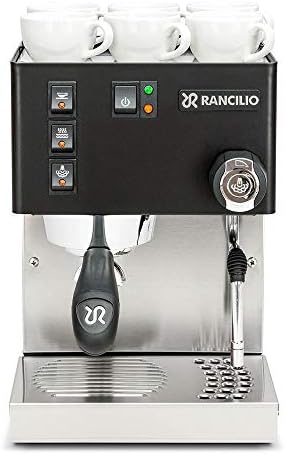
The Rancilio Silvia is heavy, simple and built to be serviced, with a commercial group and a parts supply that has outlasted most of its competition. A machine bought with a decade in mind.
📦 Best All-in-One Value
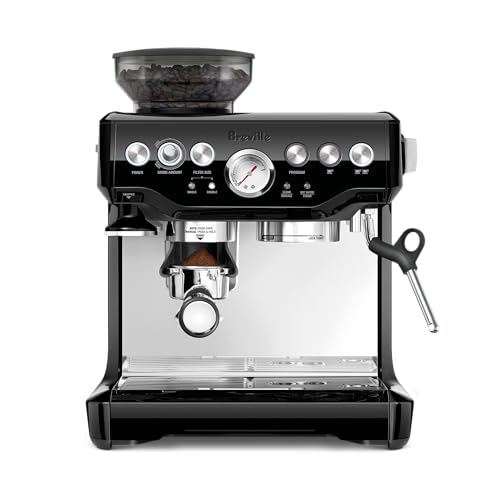
The Breville Barista Express folds grinder, dosing and brewing into one purchase and one footprint, which is often the cheaper total route for a household starting from nothing. Details in our under $1000 guide.
The Grinder Split Is the Real Value Decision
If your total budget is fixed, how you divide it between machine and grinder matters more than which brand you choose. A modest machine with an adjustable burr grinder consistently outperforms an impressive machine fed pre-ground coffee, because grind is the variable that controls extraction and the only one you adjust daily.
A common rule of thumb gives the grinder somewhere between a quarter and a third of the total, and more if you drink light roasts. Hand grinders stretch that budget furthest, with espresso capable burrs at a fraction of the electric equivalent, and our manual grinder roundup explains which burr sets earn the label.
Protecting the Value You Bought
A machine only holds its value if it keeps working. Use filtered water, because scale is the single most common cause of premature failure across every price bracket. Descale on a rhythm that matches your water hardness rather than a generic calendar, and clean the group and baskets with a proper coffee residue cleaner rather than waiting for a taste problem.
Keep the box and the manual if you might resell, and replace consumable parts before they fail rather than after. Our descaling solution guide covers the products worth using, and our vinegar cleaning guide explains where the household shortcut is fine and where it is a bad idea.
Common Mistakes to Avoid
- Comparing checkout prices only. Capsules, filters and replacement machines are the numbers that actually decide the total.
- Buying a machine with no parts support. An unbranded bargain becomes electronic waste the day a gasket fails.
- Putting everything into the machine. The grinder split is the highest leverage decision in the whole purchase.
- Paying for a ceiling you will never reach. If you make one milk drink a day, dual boilers are a hobby, not a value.
- Ignoring water quality. Nothing destroys value faster than scale, and nothing is cheaper to prevent.
Which Bracket Should You Shop In?
If you are starting from scratch and want the habit before the hobby, the entry market is explained in our budget espresso machine guide, with the hard ceiling of the cheapest shelf detailed in the under $300 guide. If you already know you will care about the coffee, the under $500 guide covers the shelf where single wall baskets become standard.
If your budget stretches further, the all-in-one versus separates decision dominates our under $1000 guide, and the prosumer features are laid out in the under $2000 guide. And if espresso is not really the goal, our coffee machines under $100 guide covers the brewing methods that deliver far more per dollar.
Frequently Asked Questions
What makes an espresso machine good value? Loose coffee instead of capsules, available spare parts, a standard portafilter size, strong resale demand, and a quality ceiling high enough that you do not outgrow it in a year.
Is the Gaggia Classic still the value benchmark? It remains the most commonly cited one, largely because of parts availability and the sheer volume of repair and modification knowledge around it.
Are pod machines bad value? Not necessarily. They are excellent at convenience and consistency, but the per drink cost is fixed and permanent, so heavy drinkers pay more over time.
Should I buy a used espresso machine? Machines with strong parts support are reasonable used buys, since most faults are serviceable. Sealed consumer machines with proprietary components are riskier.
How much should I spend on the grinder? Commonly between a quarter and a third of the total budget, and proportionally more if you drink lighter roasts or use single wall baskets.
Does a bigger portafilter improve value? Indirectly. A 58mm group opens up the widest accessory ecosystem and tends to hold resale value better than proprietary sizes.
The Bottom Line
The best value espresso machine is the one still worth using in five years, which usually means loose coffee, available parts, a standard group size and a ceiling you have not hit. The Gaggia Classic wins that argument most often, the Bambino wins on modern capability per dollar, and the Dedica keeps the door open on the smallest budgets. Whichever you choose, split the money with a real grinder and treat your water, because those two habits protect the value better than any feature on the box.