Last updated: August 5, 2026
Choosing Vietnamese coffee beans is not the same exercise as choosing a bag of specialty single-origin arabica. The whole drink is built around a bean that specialty coffee spent thirty years dismissing: robusta, roasted dark, brewed slowly through a small metal phin, and stirred into sweetened condensed milk. Buy a delicate washed Ethiopian for that job and it will vanish under the milk.
This guide covers what actually matters on the bag: the robusta and arabica split, roast level, grind size for a phin, and the additives that show up in traditional Vietnamese roasting styles. It also names the bags that come up again and again in Vietnamese-American kitchens, from the household-name Vietnamese roaster to the New Orleans chicory blend that half of Little Saigon quietly uses.
This article contains affiliate links. If you buy through them, we may earn a commission at no extra cost to you. Learn more.
Quick Answer
Which coffee beans should you buy for Vietnamese coffee?
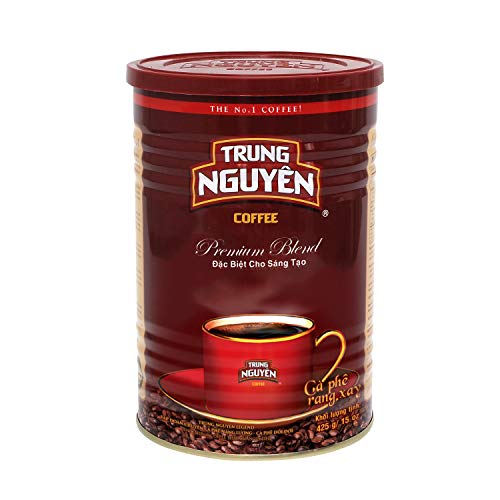
- For the classic cup, a dark roast robusta or robusta-arabica blend from a Vietnamese roaster such as Trung Nguyen is the straightforward answer.
- If you want the flavor without hunting down a specialty bag, dark roast coffee with chicory does the same job and is stocked almost everywhere.
- Grind matters as much as the bean: medium-coarse for a phin, and preground Vietnamese coffee usually already sits there.
What to Look For on the Bag
Five things decide whether a bag will make a good phin cup, and only one of them is the country on the label. Vietnamese coffee is a style as much as an origin, and plenty of bags roasted in the United States hit it perfectly.
| What to check | Why it matters | What to look for |
|---|---|---|
| Bean species | Robusta is heavier and more bitter than arabica and survives condensed milk | 100% robusta for the most traditional cup, or a robusta-arabica blend for a softer version |
| Roast level | Dark roasting is what gives the drink its chocolatey, slightly smoky backbone | Dark or French roast; light roasts get lost under milk and ice |
| Grind | A phin has no paper filter, so grind controls the drip rate | Medium-coarse, a touch coarser than drip and far coarser than espresso |
| Additives | Chicory and butter-roasting are traditional flavor tools, not defects | Chicory adds body and woody sweetness; butter-roasted beans read as richer |
| Format | Whole bean keeps longer but needs a grinder that handles a coarse setting well | Preground for convenience; whole bean if you already grind at home |
| Freshness | Dark roasts fade faster than they look like they do | A roast date on the bag, and a size you will finish within a few weeks |
If the drink itself is new to you, start with the method before the beans. Our Vietnamese coffee recipe covers the phin brew step by step, and it will tell you quickly whether your grind needs adjusting.
Robusta, Arabica, and Why Vietnam Grows What It Grows
Vietnam is the world’s largest producer of robusta and one of the two largest coffee producers overall, with most of the crop coming from the Central Highlands around Buon Ma Thuot. That is not an accident of taste, it is agriculture: robusta tolerates heat, lower elevations, and disease pressure that arabica struggles with. The country grows arabica too, notably around Da Lat and Son La, but robusta is the backbone.
In the cup, robusta brews darker, thicker, and more bitter, with a savory, cocoa-and-rubber character that specialty roasters historically avoided. That profile is exactly what the traditional drink needs, because sweetened condensed milk is powerful enough to bury anything subtle. Blends split the difference: a common approach is a robusta-forward blend with enough arabica to add aroma and take the hard edge off the finish. Neither is more correct, and both are widely sold by Vietnamese roasters.
Chicory, Butter, and Other Traditional Additions
Two things surprise buyers reading Vietnamese coffee labels. The first is chicory, a roasted root that has been blended into coffee in France, New Orleans, and Vietnam for well over a century, originally to stretch expensive coffee and later because people liked the taste. Chicory adds body and a woody, faintly caramel sweetness, and it is a large part of why New Orleans style coffee works so well in a phin.
The second is butter roasting. Many traditional Vietnamese roasters finish their beans with a small amount of butter, oil, or sugar during roasting, a technique known locally as ca phe rang bo. It gives the beans a glossy look and a rounder, richer flavor, and it is a normal part of the style rather than a shortcut. Bags aimed at the American specialty market often skip it and say so on the label, which is why two dark Vietnamese roasts can taste noticeably different.
Our Top Picks at a Glance
How we chose: we compared widely available bags on bean species, roast level, grind suitability for a phin, and the patterns that repeat in owner reviews and in Vietnamese-American home use. Selections are based on product specifications and published descriptions rather than any hands-on trial of our own.
One note before the list: all three of these are easy to find, and none of them require you to already own a grinder. If a bag arrives preground for the phin, you can brew it the day it lands.
🏆 Best Overall
The default answer for a reason. Vietnam’s best-known roaster sells dark, robusta-forward ground blends built specifically for phin brewing, and they land squarely on the flavor most people are chasing when they say Vietnamese coffee. Reviews consistently mention the chocolatey heaviness that holds up to condensed milk.
💸 Best Budget Pick
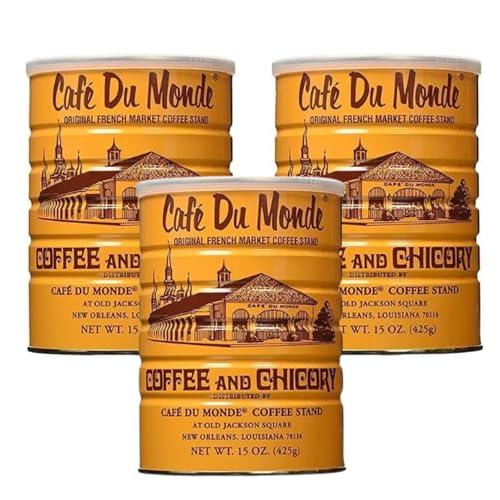
The New Orleans chicory blend that has quietly lived in Vietnamese-American kitchens for decades. Dark, cheap, sold in almost every supermarket, and ground close enough to the right size for a phin that it works straight from the can. Not Vietnamese-grown, but very much the right style.
⭐ Upgrade Pick
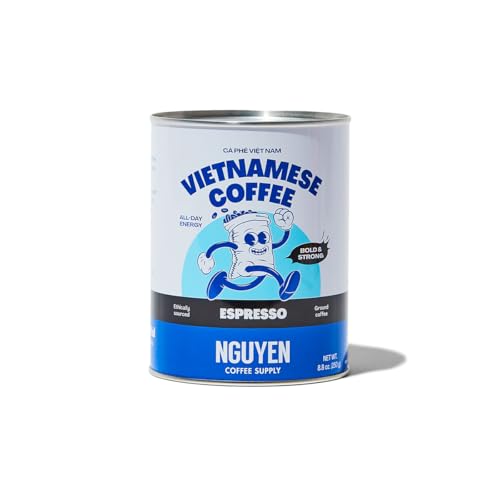
For buyers who want Vietnamese-grown robusta treated with specialty care: single-origin beans sourced from Vietnam and roasted in the United States, sold whole bean or ground. The clearest way to taste what robusta does when it is handled well rather than roasted into submission.
Picks for Specific Drinks and Setups
The three above cover most kitchens. These two are for people with a particular drink or a particular workflow in mind.
🥚 Best for Egg Coffee and Dessert Drinks
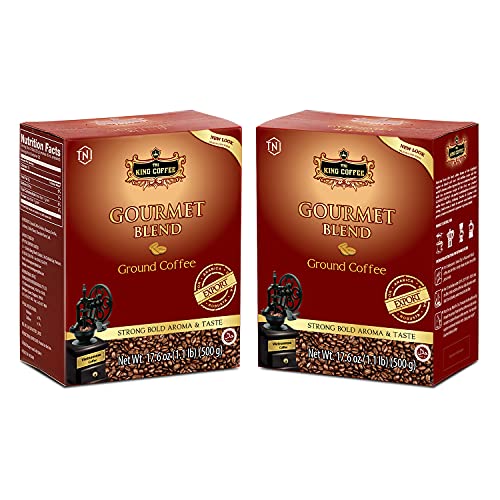
Cà phê trứng needs a base bitter enough to stand under a very sweet yolk cream, which means the darkest, most robusta-heavy grind you can comfortably drink. A traditional gourmet-style Vietnamese blend does this better than any lighter roast; the drink itself is explained in our egg coffee guide.
⚙️ Best Whole Bean for Grinding at Home
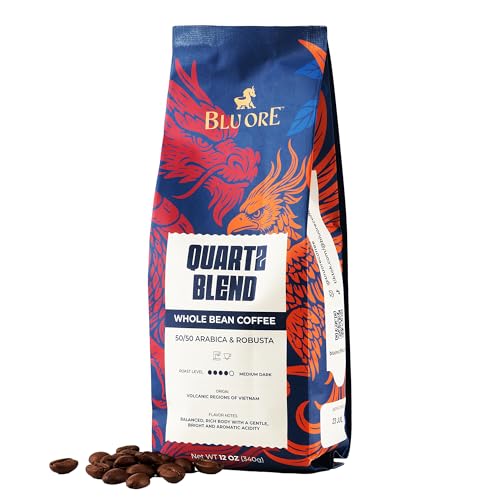
If you already grind, buying whole bean keeps a dark roast tasting fresher for longer and lets you dial the phin drip precisely. Look for a whole bean Vietnamese-style dark blend and set your grinder medium-coarse, closer to your French press setting than your espresso one.
Grind Size and Storage
Grind is the setting that makes or breaks a phin, because there is no paper filter and no pump to compensate. Medium-coarse is the commonly recommended target: fine enough to slow the water down, coarse enough that the bed does not compact into a plug. Use drip time as your gauge, aiming for a steady four to five minutes, and change one grinder step at a time. A burr grinder that handles coarse settings cleanly is the right tool, and our manual coffee grinder guide covers the options that do this without a motor.
Storage is simpler than the internet makes it sound. Keep the bag sealed, away from light and heat, and buy a size you will finish in a few weeks. Dark roasts carry more surface oil than lighter ones and stale faster than their bold flavor suggests, so a bulk bag that lives on the counter for three months will taste flat long before it looks it. The freezer works for long-term storage if the coffee is sealed well and thawed unopened, but for a bag you drink daily it is unnecessary fuss.
Common Mistakes to Avoid
- Buying a light roast because it scored well somewhere. A bright, fruity single origin is a lovely coffee and the wrong coffee for condensed milk.
- Grinding to espresso fineness. The fastest way to stall a phin. Medium-coarse, every time.
- Treating chicory as a defect. It is a deliberate, traditional ingredient in this style, not a cheap filler to avoid.
- Assuming Vietnamese means 100% robusta. Many popular bags are blends, and the ratio is usually on the label if you look.
- Buying five pounds on the first order. Dark roast fades. Start with a normal bag, decide whether you want more robusta or less, then commit.
- Skipping the grind adjustment. If your first cup was bitter or watery, the bean probably was not the problem.
Where to Go From Here
With a bag chosen, the next step is the brew. Our step by step Vietnamese coffee guide covers phin technique, water temperature, and how much condensed milk to start with. If you want the flavor on mornings when you have four minutes rather than eight, the 3-in-1 sachets in our instant Vietnamese coffee roundup are how a large share of Vietnam actually drinks coffee day to day. And if the appeal for you is small, strong, sweet coffee in general, the whipped-sugar espuma in Cuban coffee made in a moka pot is the same idea from a different island.
Frequently Asked Questions
Do I need 100% robusta for Vietnamese coffee? No. Blends are extremely common and often easier to drink, especially black. Pure robusta gives the heaviest, most traditional body, so it is worth trying once you know you like the style.
Is Café Du Monde actually Vietnamese coffee? It is a New Orleans coffee and chicory blend, not a Vietnamese product, but its dark roast and chicory content make it work well in a phin. It has been a common substitute in Vietnamese-American households for decades.
What grind should I ask for? Medium-coarse for a phin. If you are buying preground Vietnamese coffee it is usually already milled for this, which is why it brews correctly out of the bag.
Can I use these beans in an espresso machine or moka pot? Yes, with a finer grind. Robusta is a traditional part of many Italian espresso blends because it builds crema, and a dark Vietnamese blend takes well to a moka pot.
Why does my Vietnamese coffee taste bitter? Usually water that is too hot, a grind that is too fine, or a drip that ran far past five minutes. Fix the grind first, then let the kettle rest for half a minute before pouring.
The Bottom Line
For Vietnamese coffee, buy dark and buy robusta-forward: a Trung Nguyen blend is the easiest starting point, chicory coffee is the everywhere-available stand-in, and a single-origin Vietnamese robusta from a specialty roaster is the upgrade once you know you like the style. Then get the grind medium-coarse and let the phin do the rest.